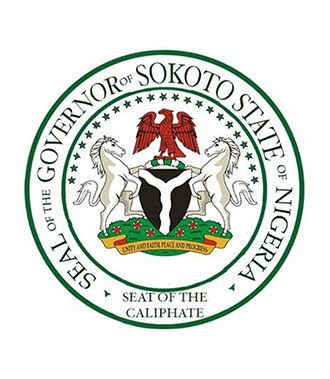
Sokoto State, in its present form, emerged in October 1996 when Zamfara State was created by General Sani Abacha GCFR, then Head of State and Commander-in-Chief of the Armed Forces, Federal Republic of Nigeria. The areas that now constitute Sokoto State were once home to many empires and kingdoms of the pre-colonial Western Sudan. Situated in the North-Western part of Nigeria, Sokoto State is commonly known as the “Seat of the Caliphate.” It shares borders with Niger Republic and the Republic of Benin. As of 2014, the projected population of the state is 4.7 million. The people of Sokoto State are predominantly composed of two major ethnic groups, namely the Hausa and Fulani. The state is divided into 23 local government areas.
The Hausa-Fulani heritage deeply influences the culture of Sokoto State. The people are known for traditions, and strong Islamic influence. Islamic practices and teachings permeate daily life, shaping social norms, customs, and values. Traditional events such as weddings, festivals, and religious celebrations are important occasions that bring communities together, highlighting the rich cultural heritage of the state.
Culture
Sokoto State, mostly involve the residences of Hausa and Fulani ethnic groups, also housesZabarmawa and Tuareg minorities in its border areas, all of whom commonly speaks Hausa language. This cultural homogeneity builds a strong sense of unity and shared identity among the people. Fulfulde is spoken by the Fulani, further enriching the language diversity of the state.
Sokoto State has a deep-rooted Islamic tradition, with most of its population adhering to the Islamic faith. Islam as a religion provides a code of conduct and behaviour for the people. Two major festivals, Eid-el-Fitr and Eid-el-Adha, hold significant importance in the state. Eid-el-Fitr marks the end of Ramadan fasting, while Eid-el-Adha commemorates the sacrifice of Prophet Ibrahim (Abraham), symbolized by the slaughter of rams.
Traditional sports and entertainment are parts of Sokoto State’s culture. The Hausa people engage in traditional wrestling (Kokawa) and boxing (Dambe), showcasing their physical prowess and skill. On the other hand, the Fulani and Sullubawa communities entertain themselves with shoro and doro, respectively, this tradition forms of competitive stick fighting.
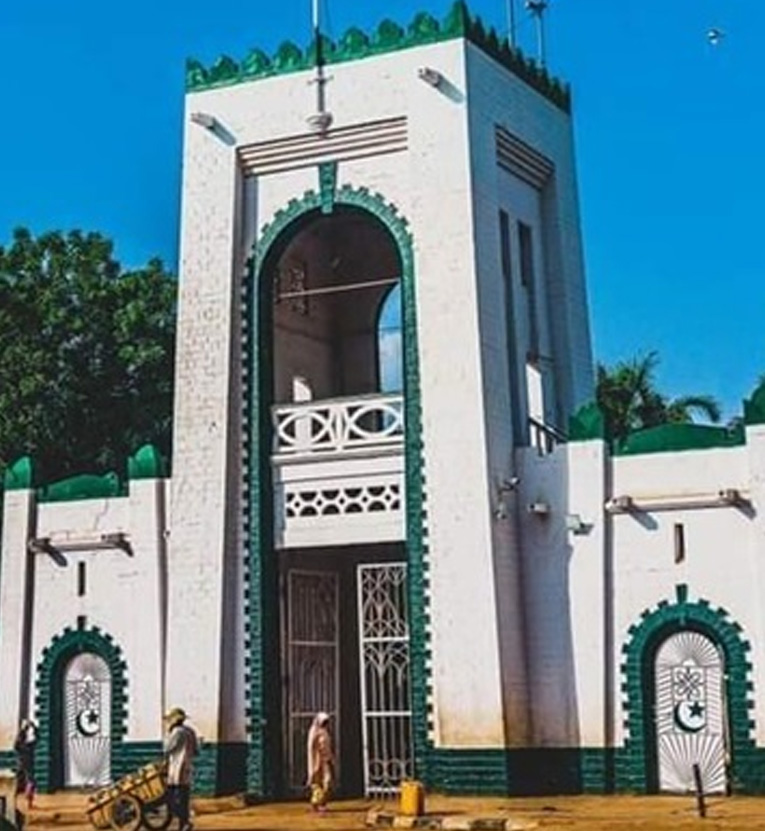
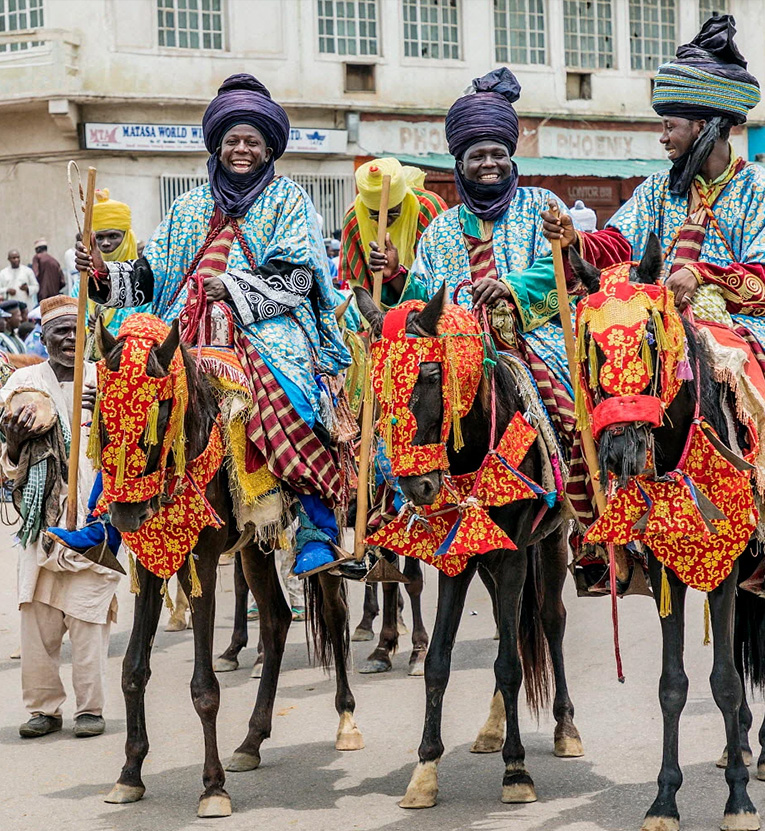
A highlight of Sokoto’s cultural calendar is the grand or mini durbar, a colourful and festive event featuring a procession of highly decorated horses and camels led by men adorned in traditional military and cultural attire. These durbar ceremonies, often held in honour of notable guests or during special occasions, serve as a display of pomp, pageantry, and cultural heritage. Sokoto State has a rich historical background. The state was once the seat of the Sokoto Caliphate, one of the largest empires in pre-colonial Africa, established by Usman dan Fodio in the early 19th century. The Sokoto Caliphate played a huge role in spreading Islam across West Africa and exerted significant political and religious influence in the region. Today, remnants of this historical legacy can be seen in the architectural building, such as the Sultan’s Palace and historical mosques, scattered across the state.
Economy
Sokoto State, having a thriving economy, with a Gross Domestic Product (GDP) ofapproximately $5.1 billion. The state’s economy is mainly agriculture, with a very largepercentage of the people engaged in various agricultural activities. The people are engaged mostly in cultivation of crops such as millet, guinea-corn, maize, rice, potatoes, cassava, groundnut, and beans for both subsistence and commercial purposes. Additionally, Sokoto State ranks second in livestock production in Nigeria.In addition to agriculture, Sokoto State is endowed with various mineral resources, including limestone, gypsum, kaolin, clay, gold, phosphate, and granite. These mineral deposits present significant potential for industrial development and revenue generation in the state. Limestone, for example, is widely used in cement production and construction, while gypsum has applications in plasterboard and fertilizer production. Gold mining also offers opportunities for revenue generation and employment in the state.
The educational sector also contributes to the economy of Sokoto State, with six universities located within its borders. These include three private universities, two state government-run universities, and one federal government-owned university. These institutions contribute to human capital development and support economic growth through research, innovation, and skill acquisition.
Politics
Sokoto State, like in many Nigerian states, is dynamic and often influenced by various factors including ethnicity, religion, and socio-economic interests. The dominant political parties in Sokoto State are the All-Progressives Congress (APC) and the People’s Democratic Party (PDP). Ethnicity is another factor that influences politics in Sokoto State. While the state is home to various ethnic groups, including the Hausa, Fulani, and others, the Hausa-Fulani often hold significant political power.
One of the notable figures in the state’s political history is Attahiru Bafarawa, who served as governor from 1999 to 2007 under the platform of the All-Nigeria Peoples Party (ANPP). Aliyu Wamakko, also from the ANPP, became governor and served from 2007 to 2015. In 2015, Aminu Tambuwal, representing the APC, was elected governor of Sokoto State. Tambuwal, a former Speaker of the House of Representatives, defected to the PDP shortly after assuming office. Governor Ahmad Aliyu Sokoto is the current governor of the state under the party of APC sworn in May 2023.
pcl. State Performance Index
The pcl. State Performance Index provides a comprehensive assessment of Abia State's overall performance, combining primary survey data with data from credible sources. In summary, Abia State achieved a PSPI Score of -0.32, ranking 36th out of 37 states with a BBB rating, indicating Under Performance.
Abia State’s assessment reveals a sub-optimal utilisation of its socioeconomic potential, compounded by the pessimistic perspectives voiced by its citizens in our survey. This combined evaluation results in Abia State receiving a BB rating, indicating “under-performance,” and securing the 36th overall ranking. Abia State requires significant improvement across all other indicators except for literacy rate and the capital expenditure to budget ratio. Additionally, effective management of citizens’ perceptions of performance is crucial. Abia State should prioritise strengthening public institutions, investing in infrastructure, and fostering human capital development.
Outlook for Sokoto State: Positive
The outlook for Abia State remains positive, contingent upon several key factors:
1. Political Shift: The recent election victory of Mr Alex Otti from the Labour Party heralds a promising change in Abia State’s political landscape. The public’s optimism suggests a heightened focus on people-centric governance, potentially translating into improved overall administration.
2. Private Sector Expertise: Governor Alex Otti’s background in the private sector, notably as a seasoned banker, injects valuable expertise into the state’s leadership. While promising, potential conflicts with the public service require careful management to ensure effective collaboration and governance.
3. Innovative Local Governance: A groundbreaking shift in local governance sees accomplished individuals and former military leaders appointed as mayors, a departure from traditional political appointments. While not constitutionally mandated, this innovative approach aims to engage elites in government, fostering efficient local administration and promising prosperity.
4. Infrastructural Drive: The prioritisation of major road projects, including the Aba-Port Harcourt road constructed by Julius Berger, underscores the commitment to transformative infrastructure. Well-connected roads are vital for trade and hold the potential to drive holistic state development.
5. Resource Optimisation: Abia State possesses untapped resources, including gas reserves and a skilled workforce. Effective utilisation of these assets is a key driver for growth and could significantly impact the state’s economic outlook.
While the current positive outlook is a good starting point for Abia state, it is crucial to recognise and confront specific challenges that have the potential to hinder further progress. These challenges include:
1. Early Politicking for the Next Elections: Due to the Labour Party movement in the Southeast and the need for the ruling party at the centre to gain more grounds, politicians and leaders in Abia might become preoccupied with preparing for the next elections soon after taking office. This early focus on political campaigns and securing future positions can divert attention and resources away from governance and addressing the immediate needs of the state’s residents. It may result in less effective governance and slower progress on important issues.
2. Ongoing Agitation in the Southeast: The Southeast region of Nigeria has experienced agitation and unrest in recent years, with various groups and movements expressing their grievances and demands. If not well managed, these ongoing tensions and protests could disrupt peace and stability in Abia State. It might create an environment of uncertainty that hampers economic activities, investments, and overall development efforts. Therefore, effectively addressing and managing these regional tensions is essential for continued progress in the state
Recommendations for Sustainable Progress
To ensure sustainable progress and growth and move Abia State to a positive outlook, the following recommendations should be considered:
1. Enhanced citizen Engagement: Abia State should prioritise engaging with its citizens through regular town hall meetings, consultations with key stakeholders, and transparent communication. Involving citizens in policymaking is essential for effective governance.
2. Political Solution for Agitation: The state government should engage with the federal government to find a lasting political solution to the ongoing agitation in the Southeast, fostering peace and stability.
3. Infrastructure Revolution: Commence an infrastructure revolution in the state using creative means such as concessions, public-private partnerships (PPPs), and project finance. This will enhance the state’s physical and economic development.
4. Strengthen Public Institutions: Pay attention to the traditional institutions and public service to ensure effective service delivery for the benefit of the public. Strengthening institutions is crucial for governance and development.
5. Maximise Domestic Trade: Improve tax reforms, enhance market access and development, and invest in transportation infrastructure to maximise opportunities for domestic trade. This will stimulate economic growth and create employment opportunities.
6. Inter-State Collaboration for Progress: Collaborate with other state governments across Nigeria, drawing lessons from states like Akwa Ibom, Jigawa, Kwara, Gombe, and Kogi in various areas such as infrastructure development, job creation, financial inclusion, public institution strengthening, and the preservation of social and cultural values. Learning from the experiences of successful states can help Abia State bridge gaps and achieve its development goals.
By implementing these recommendations and focusing on the identified areas of improvement, Abia State can further solidify its position as a prosperous and stable state within Nigeria, contributing to its continuous growth and development.
Fact Sheet
Internally Generated Revenue
18.65 B
Y-o-Y
-5%
Per Capital Income
943,526.99
Y-o-Y
10
PMS Price
643.13
Y-o-Y
248%
Budget Size
160.52 B
Y-o-Y
9
Capital Expenditure
45.42 B
Y-o-Y
4%
Operating Expenditure
54.88B
Y-o-Y
1
Inflation Rate
29%
Y-o-Y
32%
Unemployment Rate
50.10%
Y-o-Y
5
Poverty Rate
10.7%
Y-o-Y
-65%
Infant Mortality Rate
115
Y-o-Y
37%
Literacy Rate
89
Y-o-Y
-7%
FAAC Allocation
82.95 B
Y-o-Y
35%
Data Source
National Bureau of Statistics: ▪ FAAC Allocation – 2022 ▪ Inflation rate – 2022 – 2023 ▪ PMS Price – 2022/23 Q4 ▪ GDP – 2021 & 2022 ▪ Mineral resources The World Bank ▪ Ease of doing business report
Kingmakers State of States Report ▪ Population ▪ Employment rate ▪ Mortality rate ▪ Literacy rate Statista ▪ Unemployment Rate – 2020
NGF Digital Repository ▪ Capital and Operating Expenditure ▪ IGR ▪ Domestic and Foreign Debts State Government Websites ▪ Budget Sizes – 2022 & 2023
Entering your name, email address and clicking “Submit” means you agree to receive updates about the work we do at pSPI. Phillips consulting will never spam you. Please, click here to learn more about how we protect your privacy.
Join us in shaping your state's future! Participate in PCL surveys to contribute to the State Performance Index report. Your input drives positive change.
document.getElementById('toggleButton').addEventListener('click', function() {
var element = document.querySelector('.hiddenClass');
if (element.style.display === 'none') {
element.style.display = 'block';
} else {
element.style.display = 'none';
}
});
Have your say in 2026
We’re kicking off the 2026 Phillips State Performance Index survey. Last year’s results shaped national conversations on how states perform, and your voice helped make that possible. Please take a moment to participate.