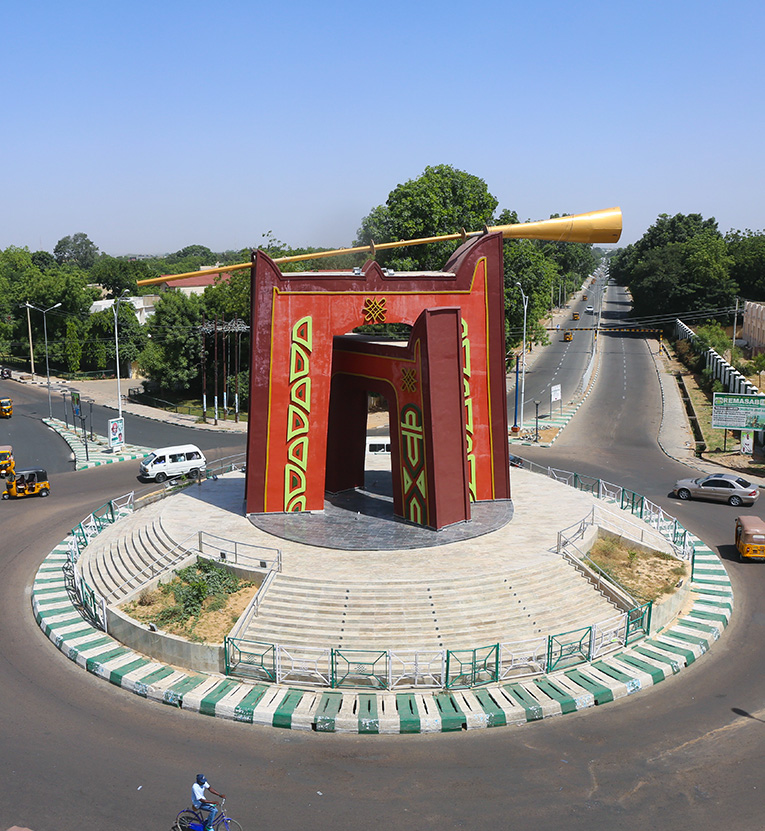
The people of Kano State, located in the northwest region of Nigeria, are a diverse and culturally rich community. With a population primarily composed of the Hausa-Fulani ethnic group, Kano State also boasts significant populations of other ethnicities such as the Kanuri, Tiv, Yoruba and Igbo, among others. The Hausa language serves as the common language in Kano State, facilitating communication and unity among its diverse populace. However, English is also widely spoken, particularly in urban areas.
Religion holds significant importance in the lives of Kano’s inhabitants, with Islam being the predominant faith. Mosques are central to community life, serving as places of worship, education, and social gatherings. The observance of Islamic festivals and rituals, such asMaulud, Eid al-Fitr and Ramadan, further strengthens the bonds within the community.
The residents of Kano are celebrated for their warm hospitality, generosity, and tight-knit community bonds. Social events like weddings, festivals, and religious ceremonies offer occasions for loved ones to gather, share meals, exchange pleasantries, and revel in traditional music and dance together.
Culture
Kano State has a diverse cultural heritage that reflects the rich tapestry of traditions and customs cherished by its people. From elaborate festivals to intricate crafts, the cultural landscape of Kano is a captivating blend of colors and textures that captivates both locals and visitors.
Kano State is famous for its dynamic and colorful cultural heritage, evident in many facets of everyday life. The traditional clothing, like the loose-fitting “babariga” worn by men and the graceful “hijab” or “abaya” adorned by women, beautifully embodies the deep cultural roots of its people. Kano’s culinary traditions are equally diverse, with local delicacies such as “suya,” “miyan kuka,” and “fura da nono” tantalizing taste buds and reflecting the region’s agricultural abundance.
Religion also plays a significant role in shaping Kano’s culture, with Islam influencing daily life and serving as a cornerstone of spiritual practice. Mosques, adorned with intricate architecture and colorful tiles, serve as spiritual hubs where the community gathers for prayer and reflection.
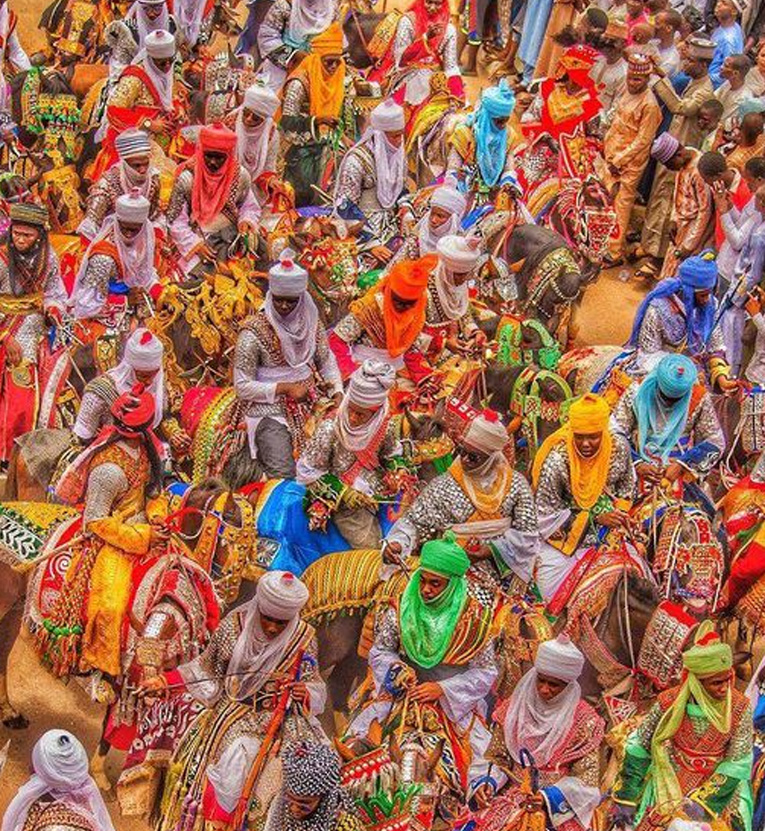
Throughout the year, Kano State hosts a plethora of festivals and celebrations that highlight its cultural richness. The Durbar festival, characterized by colorful processions and equestrian displays, celebrates the region’s history and tradition, while the Hawan Daushe, HawanNassarawa and Hawan Fanisau festival marks both the end of Ramadan with prayers, feasting, and communal gatherings, which is Eid-al Fitr, popularly known as “karamansallah” and also Eid-al Adha which marks the sacrifice period.
Economy
Agriculture is a center of Kano State’s economy, employing a significant portion of its population. The lands support the cultivation of a wide range of crops, including millet, maize, rice, sorghum, cowpea, and groundnut. Livestock farming, particularly cattle rearing, is also prominent, with Kano being one of the largest producers of hides and skins in Nigeria. The state’s favorable climate and abundant water resources from dams such as the “Tiga”, “Tamburawa” and “Chalawa” dams and Hadejia River contribute to its agricultural productivity.
Commerce and trade play a vital role in Kano’s economy, with the state serving as a major commercial hub in northern Nigeria. The famous Kano Central Markets, also known as Kurmi Market, is one of the largest markets in West Africa, attracting traders and buyers from across the region. The market offers a wide range of goods, including textiles, grains, spices, leather products, and crafts, contributing significantly to the state’s revenue and employment generation. Other markets include the likes of kwari market, Sabon-gari market and Rimi market. Kano State also has a burgeoning industrial sector, with various manufacturing industries and processing plants, contributing to its economic growth.
In addition to agriculture, commerce, and services such as banking, education, transportation, healthcare, and telecommunications also contribute largely to Kano State’s economy. The state is home to several universities, colleges, and research institutions, providing educational opportunities and supporting human capital development.
Politics
With its large population and significant influence in northern Nigeria, Kano State plays a crucial role in national politics. The political scene in Kano is characterized by active participation from various political parties and interest groups. Elections are highly contested, with candidates vying for positions at the local, state, and national levels. The people of Kano are politically aware and engaged, often rallying behind candidates who they believe will address their concerns and advance their interests.
Ethnic and religious considerations also influence politics in Kano State. While most of the population is Hausa-Fulani and Muslim, there are also significant populations of other ethnicities and religions. Political alliances and affiliations often reflect these demographic dynamics, with candidates seeking to build coalitions that appeal to a diverse electorate.
Kano State has a history of producing prominent political leaders who have played influential roles on the national stage. Politicians from Kano have held positions in both the executive and legislative branches of government, contributing to policymaking and governance at the federal level.
Several governors have led Kano State, Nigeria, through its political history. Audu Bako was the first civilian governor under the National Party of Nigeria (NPN), serving from 1979 to 1983, followed by military governors like Sabiu Bako, Tijjani Yahaya, and Garba Duba. Ibrahim Shekarau served two terms as a civilian governor, first under the All Nigeria Peoples Party (ANPP) from 2003 to 2011. Rabiu Kwankwaso also held two terms, initially with the People’s Democratic Party (PDP) from 1999 to 2003, and later defecting to the All Progressives Congress (APC) from 2011 to 2015. Abdullahi Umar Ganduje succeeded Rabiu Kwankwaso, who was in office from 2015-2023 under the APC. The current governor of Kano state is Engr Abba Kabir Yusuf, representing the New Nigeria Peoples party (NNPP),who was sworn in May 2023. These governors played significant roles in shaping the state’s political landscape and governance structures across different eras and political affiliations.
pcl. State Performance Index
The pcl. State Performance Index provides a comprehensive assessment of Abia State's overall performance, combining primary survey data with data from credible sources. In summary, Abia State achieved a PSPI Score of -0.32, ranking 36th out of 37 states with a BBB rating, indicating Under Performance.
Abia State’s assessment reveals a sub-optimal utilisation of its socioeconomic potential, compounded by the pessimistic perspectives voiced by its citizens in our survey. This combined evaluation results in Abia State receiving a BB rating, indicating “under-performance,” and securing the 36th overall ranking. Abia State requires significant improvement across all other indicators except for literacy rate and the capital expenditure to budget ratio. Additionally, effective management of citizens’ perceptions of performance is crucial. Abia State should prioritise strengthening public institutions, investing in infrastructure, and fostering human capital development.
Outlook for Kano State: Positive
The outlook for Abia State remains positive, contingent upon several key factors:
1. Political Shift: The recent election victory of Mr Alex Otti from the Labour Party heralds a promising change in Abia State’s political landscape. The public’s optimism suggests a heightened focus on people-centric governance, potentially translating into improved overall administration.
2. Private Sector Expertise: Governor Alex Otti’s background in the private sector, notably as a seasoned banker, injects valuable expertise into the state’s leadership. While promising, potential conflicts with the public service require careful management to ensure effective collaboration and governance.
3. Innovative Local Governance: A groundbreaking shift in local governance sees accomplished individuals and former military leaders appointed as mayors, a departure from traditional political appointments. While not constitutionally mandated, this innovative approach aims to engage elites in government, fostering efficient local administration and promising prosperity.
4. Infrastructural Drive: The prioritisation of major road projects, including the Aba-Port Harcourt road constructed by Julius Berger, underscores the commitment to transformative infrastructure. Well-connected roads are vital for trade and hold the potential to drive holistic state development.
5. Resource Optimisation: Abia State possesses untapped resources, including gas reserves and a skilled workforce. Effective utilisation of these assets is a key driver for growth and could significantly impact the state’s economic outlook.
While the current positive outlook is a good starting point for Abia state, it is crucial to recognise and confront specific challenges that have the potential to hinder further progress. These challenges include:
1. Early Politicking for the Next Elections: Due to the Labour Party movement in the Southeast and the need for the ruling party at the centre to gain more grounds, politicians and leaders in Abia might become preoccupied with preparing for the next elections soon after taking office. This early focus on political campaigns and securing future positions can divert attention and resources away from governance and addressing the immediate needs of the state’s residents. It may result in less effective governance and slower progress on important issues.
2. Ongoing Agitation in the Southeast: The Southeast region of Nigeria has experienced agitation and unrest in recent years, with various groups and movements expressing their grievances and demands. If not well managed, these ongoing tensions and protests could disrupt peace and stability in Abia State. It might create an environment of uncertainty that hampers economic activities, investments, and overall development efforts. Therefore, effectively addressing and managing these regional tensions is essential for continued progress in the state
Recommendations for Sustainable Progress
To ensure sustainable progress and growth and move Abia State to a positive outlook, the following recommendations should be considered:
1. Enhanced citizen Engagement: Abia State should prioritise engaging with its citizens through regular town hall meetings, consultations with key stakeholders, and transparent communication. Involving citizens in policymaking is essential for effective governance.
2. Political Solution for Agitation: The state government should engage with the federal government to find a lasting political solution to the ongoing agitation in the Southeast, fostering peace and stability.
3. Infrastructure Revolution: Commence an infrastructure revolution in the state using creative means such as concessions, public-private partnerships (PPPs), and project finance. This will enhance the state’s physical and economic development.
4. Strengthen Public Institutions: Pay attention to the traditional institutions and public service to ensure effective service delivery for the benefit of the public. Strengthening institutions is crucial for governance and development.
5. Maximise Domestic Trade: Improve tax reforms, enhance market access and development, and invest in transportation infrastructure to maximise opportunities for domestic trade. This will stimulate economic growth and create employment opportunities.
6. Inter-State Collaboration for Progress: Collaborate with other state governments across Nigeria, drawing lessons from states like Akwa Ibom, Jigawa, Kwara, Gombe, and Kogi in various areas such as infrastructure development, job creation, financial inclusion, public institution strengthening, and the preservation of social and cultural values. Learning from the experiences of successful states can help Abia State bridge gaps and achieve its development goals.
By implementing these recommendations and focusing on the identified areas of improvement, Abia State can further solidify its position as a prosperous and stable state within Nigeria, contributing to its continuous growth and development.
Fact Sheet
Internally Generated Revenue
18.65 B
Y-o-Y
-5%
Per Capital Income
943,526.99
Y-o-Y
10
PMS Price
643.13
Y-o-Y
248%
Budget Size
160.52 B
Y-o-Y
9
Capital Expenditure
45.42 B
Y-o-Y
4%
Operating Expenditure
54.88B
Y-o-Y
1
Inflation Rate
29%
Y-o-Y
32%
Unemployment Rate
50.10%
Y-o-Y
5
Poverty Rate
10.7%
Y-o-Y
-65%
Infant Mortality Rate
115
Y-o-Y
37%
Literacy Rate
89
Y-o-Y
-7%
FAAC Allocation
82.95 B
Y-o-Y
35%
Data Source
National Bureau of Statistics: ▪ FAAC Allocation – 2022 ▪ Inflation rate – 2022 – 2023 ▪ PMS Price – 2022/23 Q4 ▪ GDP – 2021 & 2022 ▪ Mineral resources The World Bank ▪ Ease of doing business report
Kingmakers State of States Report ▪ Population ▪ Employment rate ▪ Mortality rate ▪ Literacy rate Statista ▪ Unemployment Rate – 2020
NGF Digital Repository ▪ Capital and Operating Expenditure ▪ IGR ▪ Domestic and Foreign Debts State Government Websites ▪ Budget Sizes – 2022 & 2023
Entering your name, email address and clicking “Submit” means you agree to receive updates about the work we do at pSPI. Phillips consulting will never spam you. Please, click here to learn more about how we protect your privacy.
Join us in shaping your state's future! Participate in PCL surveys to contribute to the State Performance Index report. Your input drives positive change.
document.getElementById('toggleButton').addEventListener('click', function() {
var element = document.querySelector('.hiddenClass');
if (element.style.display === 'none') {
element.style.display = 'block';
} else {
element.style.display = 'none';
}
});
Have your say in 2026
We’re kicking off the 2026 Phillips State Performance Index survey. Last year’s results shaped national conversations on how states perform, and your voice helped make that possible. Please take a moment to participate.